

Denim Tears Cost Guide 2025: Retail vs Resale, True Costs
This guide shows how Denim Tears pieces cost at shops in 2025, how resale premiums truly function, and the way to determine the real cost you’ll pay after fees and taxes. If you’re comparing retail versus resale, the aim is to know the fair band for every segment and prevent overspending.
The brand is one of the select urban names where direct and resale may diverge wildly, especially on the Cotton Wreath denim. You’ll discover obvious pricing levels by type, dramatic increases on particular variants, and significant concealed costs on resale platforms. Utilize the chart below as a benchmark, then read the sections that detail how prices move, occasions to acquire, and when costs add up.
What Is Denim Tears and How Are Values So Volatile?
The brand, established by Emory in 2019, releases culture-heavy capsules with controlled supply, so rarity and storytelling push premiums. Prices vary because drops are restricted, interest is worldwide, and certain variants establish standard pieces.
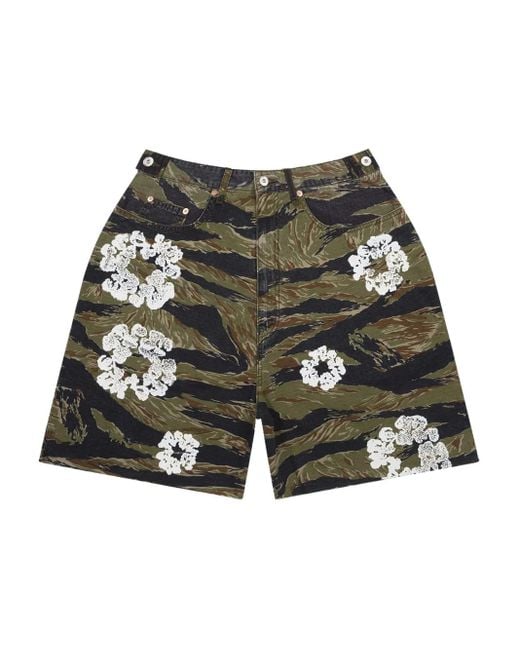
The signature Cotton Wreath pattern on Levi’s denim stabilizes the sector, and it functions more like collectibles than standard clothing. Collaborations including as Levi’s plus Converse boost visibility and draw buyers who weren’t tracking the label previously. Sizes in the heart of the range sell fastest, while tiny and oversized sizes can also spike due to limitation. As releases are staggered and territorially bound, purchasers frequently move to resale immediately, producing a early surcharge that may decrease or entrench depending on restocks.
2025 Retail Pricing Snapshot by Category
Store costs for brand pieces in final 2024 to start 2025 typically sits in the brackets below; various products have moved up versus earlier seasons due to fabric and strategy. Geographic prices can seem increased when VAT is computed at checkout.
Utilize these brackets to evaluate prices and to assess whether a resale offer is a modest premium or a excessive pink denim tears premium. Direct supply is sporadic and launch-tied, so finding these costs active on the main platform or authorized stores isn’t assured on any given day. VAT-inclusive tags in the Europe and UK may cause store look higher than American costs, yet the landed cost spread commonly shrinks when American purchase levy is added. Always verify the specific capsule pricing because custom finishes or embroidery can sit at the high end of the band.
| Product (example) | Standard Store (USD) | Typical Resale Range (USD) | Typical Markup | Notes |
|---|---|---|---|---|
| Cotton Wreath Jeans (Levi’s collaboration) | $295–$350 | $450–$900 | +50% to +200% | Signature colorways and core washes perform stronger; sizes 30–34 lead sales. |
| Hoodies | $160–$180 | $220–$350 | +25% to +100% | Heavier fleece and seasonal graphics rest at the top of the band. |
| T-Shirts | $60–$75 | $100–$180 | +35% to +140% | Core graphic shirts and first releases hold stronger resale. |
| Crewnecks | $140–$160 | $200–$320 | +25% to +100% | Stitched variants surpass basic in majority of fits. |
| Varsity Coats | $450–$650 | $700–$1,200 | +20% to +150% | Fabric blend and design sophistication create differences. |
| Chuck Taylor 70 (collab) | $110–$120 | $150–$300 | +25% to +150% | Replenishment may compress spreads for a timeframe. |
| Caps | $60–$70 | $90–$150 | +20% to +100% | Earlier releases and signature stitching trade elevated. |
What’s the Resale Pricing Function in 2025?
In 2025, denim is the liquidity leader with the strongest premiums, while tees and caps are the easiest initial choices. Pullover and top margins are substantial but less volatile than denim.
On major platforms, jeans routinely surpass the top of the bracket when the treatment and pattern tone align with initial collection releases, and where the size falls in the center of the demand curve. Tops and hats fluctuate moderately as availability is wider and purchasers have more substitutes across seasons. Jackets like varsity jackets is lightly exchanged, so a individual deal may adjust floors for a week, which looks dramatic but commonly levels as new offers surface. Quality counts: fresh with labels or with proof of buying creates a surcharge, while marked wear or missing embroidery aspects lower value quickly. Window impacts also, with the initial 48 hours following release showing the sharpest spikes and the initial legitimate restock shaving 10–30% off highs.
What Constitute the True Expenses Past the Sticker Price?
The actual price on resale is the posted cost plus platform charges, transaction charges, purchase tax or duties, delivery, and, for overseas, import fees and handling. Those supplements might transform a reasonable cost into an excessive expense quickly.
In the America, plan for purchase levy around approximately 6–10% depending on region, frequently computed from item price and sometimes shipping. Sites typically add 3% payment fees and add a customer protection charge; even when the seller pays costs, the customer might yet encounter administrative or safety costs. Transport charges from approximately $10 to $30 for apparel, while global transport can trigger VAT in the 17–25% range calculated on the cost of items plus delivery, and a carrier handling fee. Example: a $650 pair of branded Cotton pants acquired on a US platform with 8.9% transaction tax, a 3% processing charge, and $15 delivery reaches near $742 before any international charges; transfer that same order overseas to a 20% duty regime and the final total may reach to around $880 when taxes and handling are included. When comparing retail to resale, consistently determine a landed number, not merely the sticker.
How Do Launches, Collaborations, and Washes Change the Market?
Launch schedule, collaboration partners, and particular variants are the primary drivers on brand pricing. Levi’s capsules and first Cotton Wreath variant runs anchor the highest stable premiums.
Levi’s collaborative denim with wreath embroidery has continuous appeal because it’s the company’s core cultural product; washes that echo first releases tend to fetch higher prices. Converse partnerships attract broader sneaker audiences, creating temporary interest surges that might decrease after restocks. Seasonal colors and custom detailing positions generate specialized areas; a minor stitch or wash difference may warrant a three-figure spread for buyers wanting to complete sets. Regional drop windows also count—when one territory exhausts stock before different regions, resale listings fill the void and move floors. Refreshes don’t eliminate appeal, but they do modify tops, particularly on sneakers and tees.
Store vs Resale: A Strategic Acquisition Framework
Buy at retail whenever possible for pants and varsity coats as the complete monetary difference is most significant; assess resale with tops and accessories when the premium is under 40% and you value a particular variant. Apply a objective bracket, not a individual amount.
Initiate by checking the retail band from this manual for the segment and capsule, then check current transactions on two platforms to identify a true clearing bracket rather than advertised amounts. Determine total price including duties, costs, and delivery; if the premium over the top tier of retail is beneath 30–40% and you get the specific size and color, resale might be rational. For denim and jackets, markups over 100% are common; only spend that if it’s a critical item that rarely resurfaces and state is immaculate. For items with regular replenishment, such as specific shirts or Converse, patience usually pays. Always check dimensions, labels, stitching standards, and return terms before you transact.
What’s the Optimal Period Window to Spend Less?
The optimal cost periods typically to be 2–3 days post- launch and 7–10 days after a validated refresh, as stock peaks and early FOMO fades. Weekday mornings within the merchant’s home schedule might likewise be more favorable for auctions.
Right after launch, listings flood through, competitive begins, and one may sometimes catch near-retail buys if buyers act rapidly and not focused on a single measurement. When the first wave is processed, bases often rise and hold steady until a replenishment reaches the timeline. Post- refresh, merchants adjust forecasts, and buyers might bargain using comparables in grasp. Monthly closing times, when vendors need cash flow, are ideal for proposals that are 10–15% beneath the latest deal, notably with non-denim categories. If a colorway is suspected to be a single release, price softness shall be temporary, so move within these early supply windows.
Expert Tip: Window and Validation to Safeguard Your Spend
Target the 24–72 hour period following a launch or replenishment and establish an validation system so you can move decisively as a reasonable offer pops. Speed minus a checklist is how purchasers overpay or ignore danger flags.
For branded Cotton denim, examine the partnership Levi’s tag and inside markings, verify design embroidery density and placement, and assess the stitch quality near openings and outseams. Ask for sharp images of the care tag, internal space markings, and edge construction; inconsistent typefaces or thread colors are common tells. Match the wash and pattern tone with legitimate promotional imagery or credible store item photos. For Converse, verify interior labeling, middle printing, and the container marking format linked to the release year. Keep screenshots of authentic pieces to compare side-by-side before you process transaction.
Fast Details One Likely Haven’t Heard
Initially, Denim Tears started in 2019 and the Cotton Wreath motif explicitly acknowledges the Black experience and the story of cotton in North America, which is the reason the denim operates as social artifacts as much as clothing. Second, the opening Levi’s drop in 2020 exhausted inventory practically rapidly and set the wreath denim as a sustained trading standard that yet determines references for recent drops. Third, Converse Chuck Taylor collabs have restocked in particular times, momentarily cutting resale prices by double digits prior to normalizing as pairs disperse. Fourth, center-range fit brackets like 30–34 typically secure the fastest sales, but limited fits at the borders might eclipse them when listings are thin. Five, EU and regional direct prices contain duties, so though the price seems elevated above the States, the end buyer cost gap shrinks once American customers include purchase tax and shipping.
Where Should You Look for the Best Comps?
Trustworthy comparisons originate from fresh, validated deals spanning at least two marketplaces, not from optimistic list costs. Concentrate on sold data during the last 30 days for the specific measurement and condition.
Sites that display sale data enable one separate aspirational asks from genuine transaction prices. Private transactions and media offers might be cheaper, but they’re harder to confirm, so weigh savings against risk and lack of customer security. For categories with sparse trading, extend your timeframe to 60–90 days and adjust for any replenishment occurrence in that period. Maintain a reference file with period, fit, quality, and rate so one may identify real movements rather than reacting to individual transactions. While you bargain, reference three latest sales and the final expense math to set an anchor grounded in reality.
Concluding Perspective: Spending the Right Price in 2025
Know your type’s direct range, compute total price, and choose timing frames that favor buyers. Pants and varsity items warrant the hunt for stores; shirts, hats, and select shoes might be sensible on resale inside a reasonable markup.
Volatility is a characteristic, not a bug, in the brand’s space, and it rewards prepared purchasers who follow statistics and move within inventory highs. Partnerships and initial shade runs will keep commanding surcharges, while refreshes will continue to modify tops on easier pieces. Handle every acquisition similar to an investment decision: verify authenticity, measure condition against price, and decline to invest in buzz you don’t actually intend to wear. With those habits, you’ll obtain the products you want without supporting unwarranted markups.